Get more from your flat roof with spray foam roofing.
If your roof is struggling with the San Fernando Valley heat or you’re looking for better insulation and waterproofing, spray foam could be worth a closer look. It creates a continuous layer across the roof, helping keep moisture out while reducing heat transfer into the building.
With over 18 years of roofing experience, Roofsource One can help you determine whether spray foam roofing is a good fit for your property. We start with a hands-on roof inspection, check the condition of the existing system, and explain your options, including installation, repairs, or recoating where appropriate.
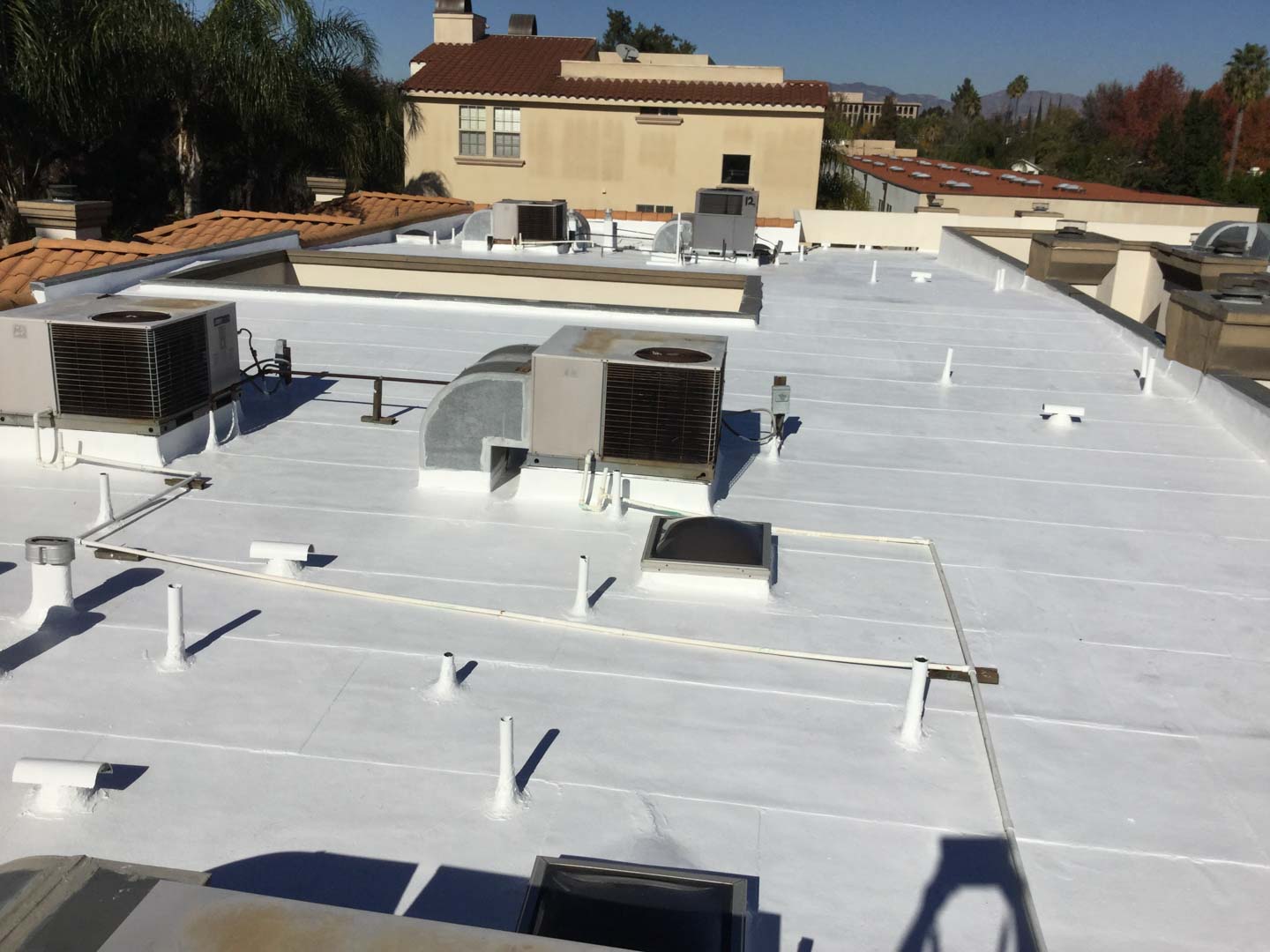
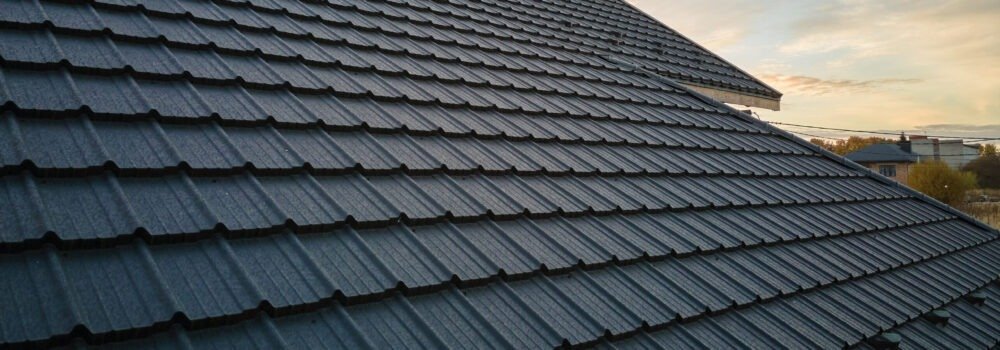


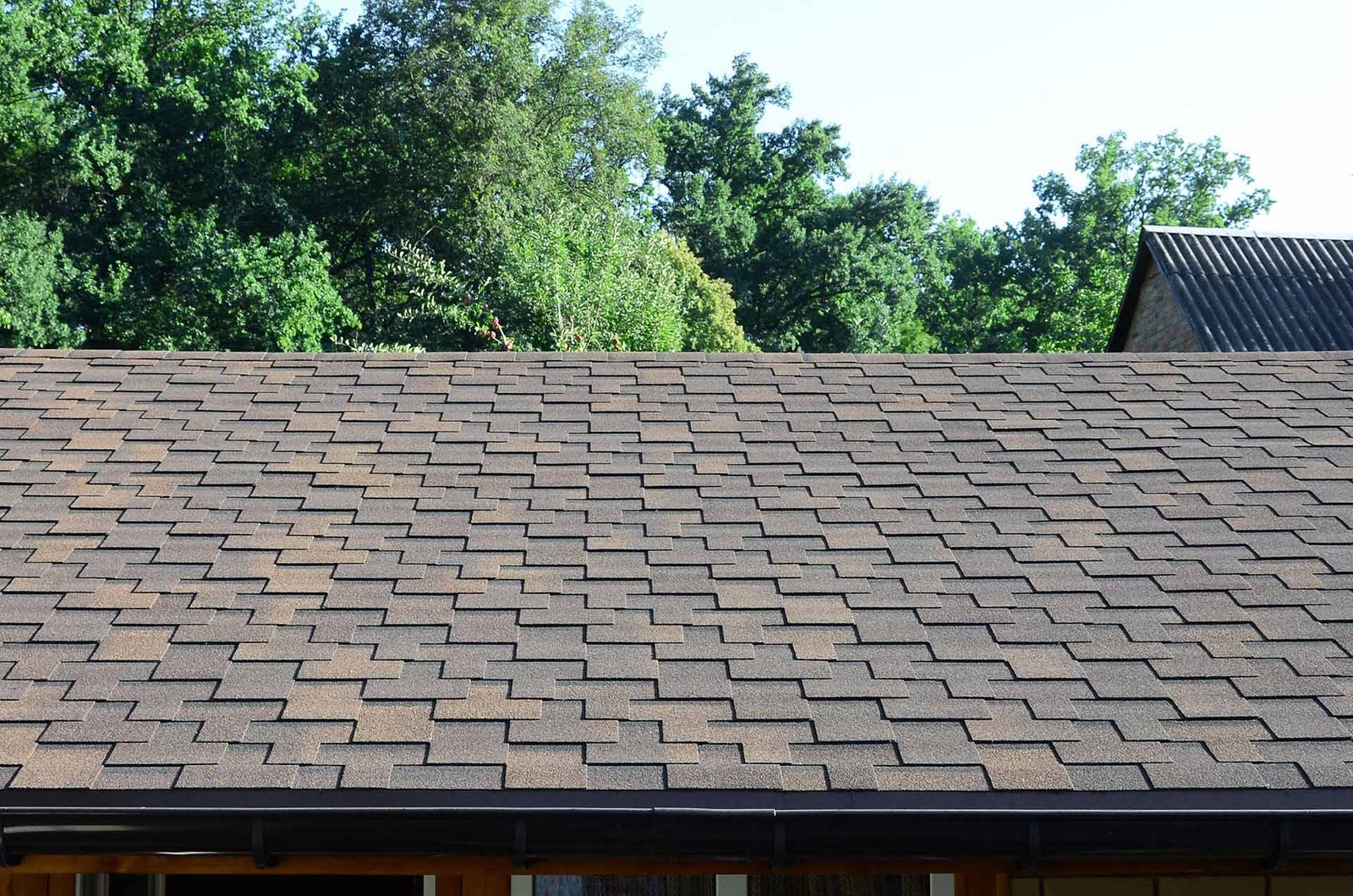
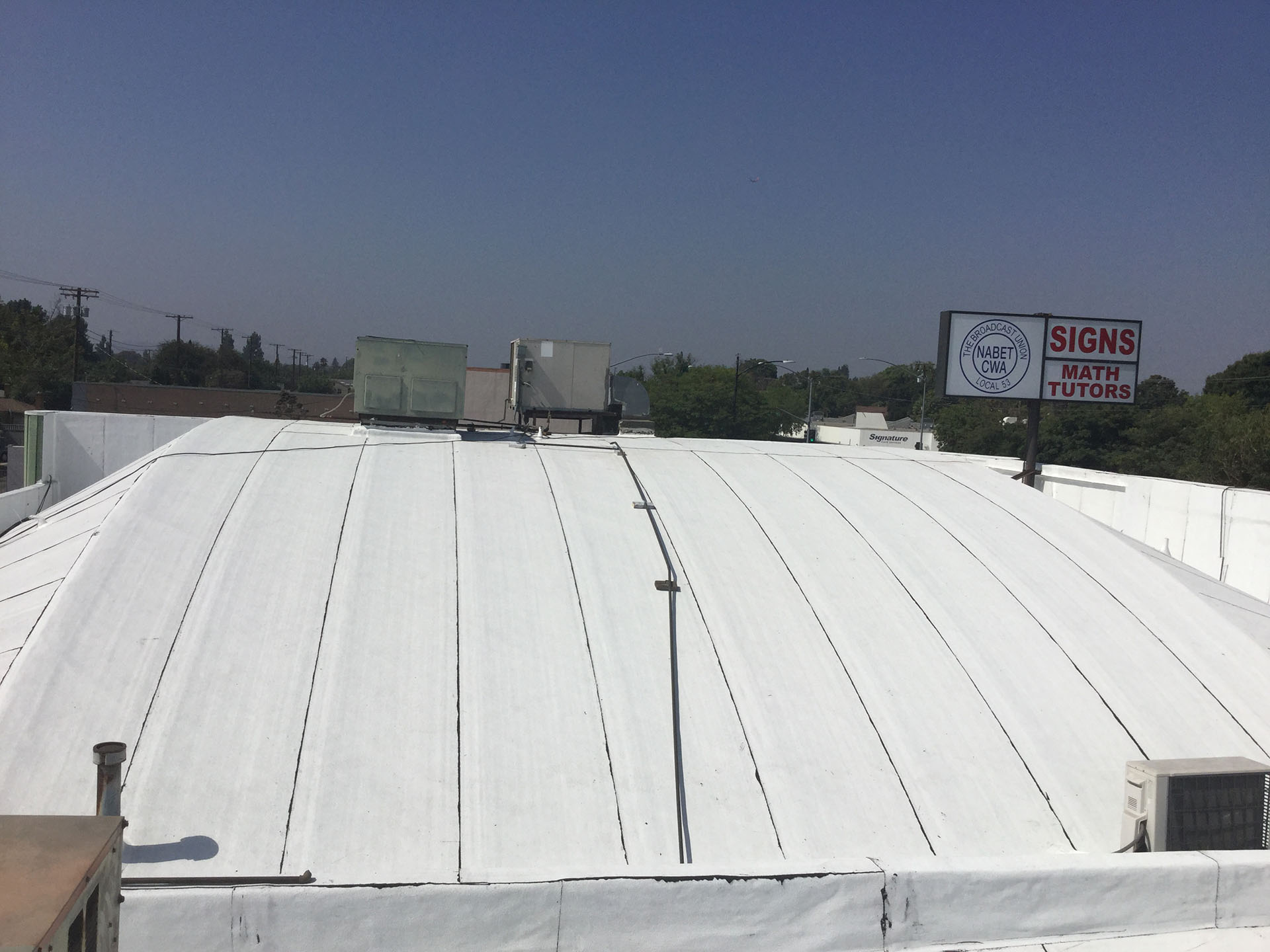
Our spray foam roofing services in the San Fernando Valley are suited to eligible flat and low-slope roofs on residential and commercial properties. We assess the existing roof and recommend an approach based on its condition, drainage, insulation needs, and long-term performance.
We provide a range of roofing services, including:
Roof coating isn’t simply a layer of paint. It is a fluid-applied membrane designed to create a protective surface over an existing roof. The type of coating matters, too, particularly on flat and low-slope roofs where standing water may be an issue.
Our services include:
We get on the roof rather than relying entirely on drone images, satellite imagery, or online measurements.
Our inspector checks the existing roofing materials, flashing, drainage, penetrations, and visible signs of deterioration. For spray foam roofing, we also consider moisture concerns and whether the roof surface is suitable for a new application or protective coating.
That hands-on assessment helps us determine whether installation, restoration, or another roofing solution makes the most sense.
Roofsource One may be a newer company, but our team brings more than 18 years of roofing experience and has worked on over 500 roofing projects.
That experience helps us recognize the issues that can affect a roof’s long-term performance, including drainage problems, deteriorating coatings, and damage that could compromise a new system. We use what we find to recommend work suited to the building rather than pushing a particular product.
A worn spray foam roof doesn’t automatically need to be torn off and replaced. Depending on the condition of the foam and the extent of the damage, repairs or recoating may be viable options.
We assess the existing system before recommending the next step. If the foam remains in suitable condition, restoring its protective coating may extend its service life. If moisture has damaged the system or the underlying roof has more serious problems, we’ll explain those concerns and discuss the available options.
We provide free estimates and straightforward recommendations without high-pressure kitchen-table sales presentations.
After inspecting your roof, we explain what we found, what work may be needed, and which options are worth considering. You’ll receive a written scope of work and transparent pricing, along with warranty information relevant to the proposed roofing system.
Manufacturer warranties may also be available depending on the products and roofing system selected.
We’ll explain the applicable coverage before work begins and provide the relevant information in writing, so you know what the warranties cover and which conditions apply.
Roofsource One is a family-run company, and projects are reviewed or supervised by the owner. That involvement helps maintain accountability throughout the roofing process, from the initial assessment through installation and cleanup.
We take pride in the work we put our name on, and we want you to understand what your roof needs and why we’re recommending it.

As a GAF Certified Residential Roofing Contractor, Roofsource One installs roofing systems backed by one of the most recognized manufacturers in the industry. Our team can help homeowners compare GAF shingle styles, colours, warranty options, and roofing systems based on their home, budget, and long-term protection needs.


 Trustindex verifies that the original source of the review is Google.
 Trustindex verifies that the original source of the review is Google.
 Trustindex verifies that the original source of the review is Google.
 Trustindex verifies that the original source of the review is Google.
 Trustindex verifies that the original source of the review is Google.
 Trustindex verifies that the original source of the review is Google.
 Trustindex verifies that the original source of the review is Google.
 Trustindex verifies that the original source of the review is Google.
 Trustindex verifies that the original source of the review is Google.
We begin with an on-roof inspection to assess the existing materials, drainage, flashing, and visible signs of damage. We also evaluate moisture concerns and whether the roof is suitable for spray foam application or restoration.
After the inspection, we explain whether spray foam roofing is a suitable option and what preparation or repairs may be required. You’ll receive a written estimate outlining the proposed work, materials, and pricing.
Once you approve the estimate, we schedule the work and plan the application around the roof’s condition and project requirements. Proper surface preparation, suitable weather conditions, and the right protective coating all contribute to the finished system’s performance.
We prepare the roof, apply the spray polyurethane foam system where appropriate, and install the specified protective coating. We then check the completed work and clean up the site, leaving you with a better understanding of the system and its ongoing maintenance needs.
Spray foam roofing uses spray polyurethane foam (SPF), which expands as it’s applied to create a continuous layer across the roof. Once the foam is in place, a protective coating is added to shield it from UV exposure and weather. The finished system provides waterproofing and insulation, making it a useful option for suitable flat and low-slope roofs.
A spray foam roof can last 20 years or longer with proper installation and maintenance. California’s intense sun can gradually wear down the protective coating, so regular inspections and recoating when needed help protect the foam underneath. The roof’s drainage, original condition, and quality of installation also influence how long the system performs.
Spray foam roofing can help reduce energy use by limiting heat transfer through the roof. The foam provides strong thermal resistance, while a reflective topcoat helps reduce the amount of solar heat absorbed by the building. How much you save depends on factors such as existing insulation, ventilation, and the efficiency of your heating and cooling system.
Yes, spray foam roofing is commonly installed on flat and low-slope roofs because it creates a continuous surface that can be shaped to improve drainage. Where needed, tapered foam can help direct water toward drains and away from areas where it might collect. Proper roof design and drainage are important because prolonged ponding can put additional stress on the system.
In many cases, an existing spray foam roof can be restored without removing the entire system. If the foam underneath remains in good condition, damaged areas can often be repaired and the protective coating renewed to extend the roof’s service life. When moisture has compromised the foam or deterioration is widespread, however, more extensive repairs or replacement may be necessary.
Spray foam roofing can contribute to a building’s energy efficiency, but meeting California Title 24 requirements depends on the complete roofing assembly and the rules that apply to the specific project. Roof reflectance, thermal emittance, and other energy-efficiency requirements may affect the materials selected. A roofing contractor can help identify the applicable standards before installation begins.
Spray foam roofing can be a practical option for commercial buildings with suitable flat or low-slope roofs. Its continuous application helps limit water intrusion, while its insulating properties can improve thermal performance. The best fit depends on the existing roof’s condition, drainage, building use, and installation requirements, so an inspection is a useful starting point.
Maintaining a spray foam roof mainly involves keeping the protective coating in good condition and addressing minor issues before they spread. Regular inspections can identify coating wear, drainage problems, or damage that needs attention. When the coating begins to deteriorate, recoating may help protect the underlying foam and extend the life of the existing roofing system.
Schedule your free roof inspection or request a spray foam roofing estimate in San Fernando Valley today with Roofsource One.