
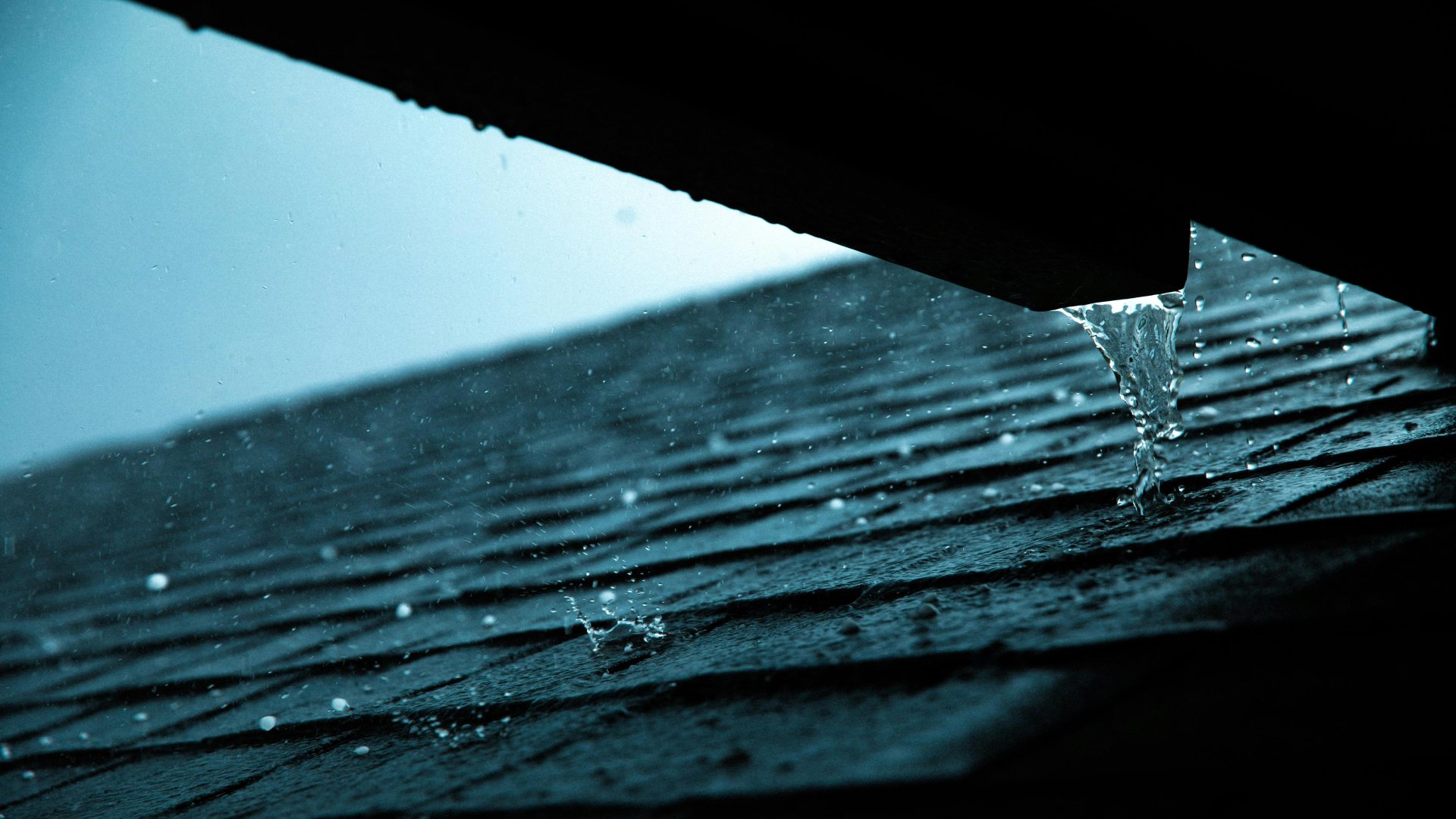
El Niño can change Southern California’s winter weather, bringing periods of heavy rain, strong winds, and storms that put extra pressure on residential and commercial roofs. The effects vary by location, so a strong El Niño doesn’t guarantee a wet winter everywhere. Still, homeowners shouldn’t wait for a rainy forecast to find out their roof has a problem.
Because months of dry weather can leave cracked shingles, deteriorated flashing, and clogged gutters unnoticed. When the next major storm arrives, even a small weakness can let water into the home and lead to expensive repairs. Take a look at these warning signs to look for before El Niño season gets underway.
1. Missing, Cracked, or Curling Shingles
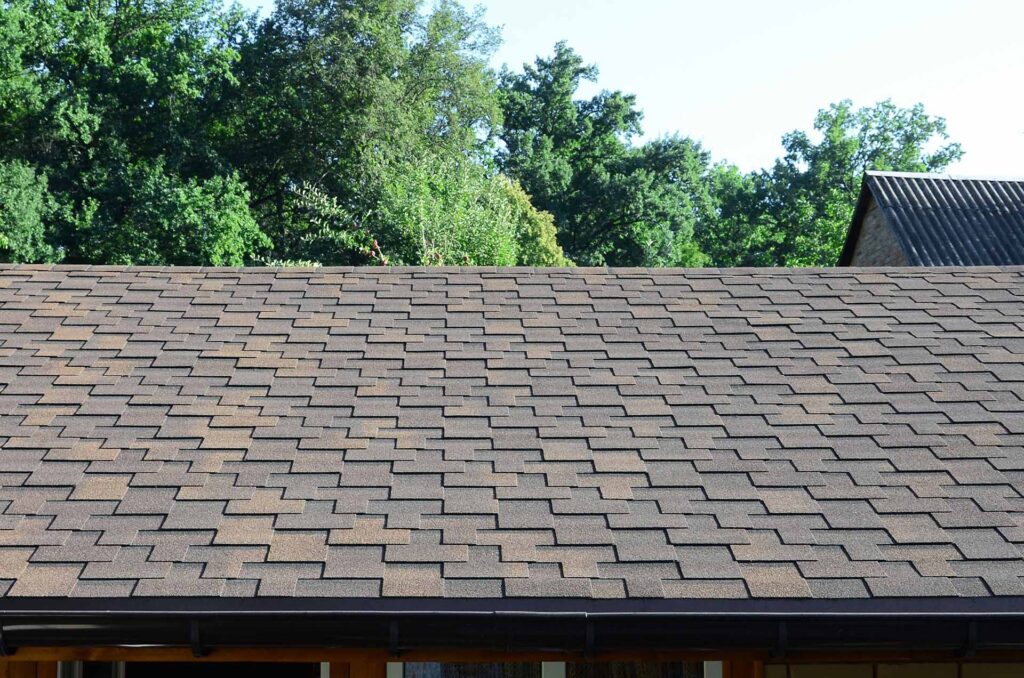
Shingles protect the roof’s underlying layers from rain and wind. When they’re cracked, curled, lifted, or missing, water can reach the underlayment and eventually work its way into the roof structure. Wind-driven rain makes these vulnerable spots even more concerning because water can get beneath roofing materials rather than simply running down the surface.
Take a look at your roof from the ground and check for:
- Missing shingles or visible gaps in the roof surface
- Cracked, curled, or lifted shingle edges
- Loose shingles around ridges, hips, and roof edges
- Damaged or deteriorated roofing materials near valleys
Don’t overlook broken or slipped tiles, either. Tile roofs can last for decades, but individual tiles can crack or shift over time. A missing or damaged tile may expose the underlayment to rain, so it’s worth having the area checked before storm season.
2. Granules Collecting in Your Gutters
Asphalt shingles have a protective coating of mineral granules that helps shield them from sunlight and weather. Over time, those granules loosen and wash away, leaving the shingles more exposed to the elements.
Some granule loss is normal, particularly on an older roof. However, large amounts of coarse granules collecting in gutters and downspouts can indicate that the shingles are nearing the end of their useful life. You may also notice bald patches or uneven coloring across the roof.
Most asphalt shingle roofs last around 20–25 years, although climate, installation quality, and maintenance all affect their lifespan. If your roof is approaching that age and showing signs of wear, schedule a professional roof inspection before committing to another winter of heavy rainfall.
3. Cracked or Rusted Roof Flashing
Flashing is installed around chimneys, vents, skylights, walls, and other roof openings to keep water out of vulnerable joints. It also directs rain away from areas where roofing materials meet. If the metal becomes corroded, separates from the surrounding materials, or develops cracks, water can slip underneath the roof covering.
Look for rust, lifted edges, gaps, and deteriorated sealant around these areas. Ridge caps and hip caps deserve attention as well, particularly if they’re loose or damaged. Strong winds and horizontal rain can push water through openings that might not cause trouble during lighter rainfall.
Flashing problems are often repairable without replacing the entire roof. A roofing professional can determine whether the affected section needs new flashing, replacement sealant, or more extensive repairs.
4. Clogged or Sagging Gutters
Gutters and downspouts have to handle a lot of water during a heavy Southern California storm. Leaves, dirt, roofing granules, and other debris can restrict the flow, causing rainwater to spill over the sides. Sagging gutters and loose connections can create similar problems, especially when water collects in low spots.
Pay attention to where the downspouts release water, too. If they discharge too close to the house, runoff can collect around the foundation and contribute to moisture problems along exterior walls.
Before the rainy season:
- Remove leaves and debris from gutters and downspouts.
- Check for loose brackets, sagging sections, and leaking joints.
- Make sure water flows freely through the drainage system.
- Check that downspouts direct runoff away from the home’s foundation.
- Look for signs of overflow or water damage around the roof edge.
Gutter problems may seem minor during dry weather, but a clogged system can struggle during prolonged rainfall. Regular cleaning is particularly important for homes with overhanging branches or mature trees nearby.
5. Water Stains, Damp Insulation, or Musty Attic Odors
Your roof can have a leak long before water starts dripping through the ceiling. Moisture may collect in the attic, soak into insulation, or leave marks on roof framing. You might notice a musty smell before spotting any visible damage.
Check the attic for:
- Damp or compressed insulation
- Dark marks on rafters or roof sheathing
- Water stains around vents and roof penetrations
- Peeling paint or discoloration on ceilings
- Musty odors or signs of mold growth
Inside the home, pay attention to new ceiling stains and bubbling paint, particularly after rainfall. These symptoms don’t always identify the exact source of a leak, since water can travel along roof framing before becoming visible. Have the area inspected rather than simply painting over a stain or replacing damaged drywall.
An attic inspection is especially useful when the roof looks sound from the outside but you suspect moisture has already entered the building.
6. Sagging Roof Areas or Uneven Surfaces
A sagging roof deck is a more serious warning sign than a cracked shingle or worn seal. Uneven sections may indicate weakened roof sheathing, deteriorating supports, or moisture damage that has been developing over time. On flat and low-slope roofs, standing water can add weight to areas where drainage isn’t working properly.
Look at the roofline from the ground for dips, uneven ridges, or sections that appear lower than the surrounding surface. Inside the attic, sagging sheathing, damaged framing, and damp wood can also point to structural concerns.
Don’t wait for a major storm to investigate these signs. Heavy rainfall can add further stress to an already weakened roof, while strong winds may make existing damage worse. Contact a roofing professional promptly if you notice a change in the roof’s shape or signs of structural deterioration.
7. Overhanging Branches and Signs of Previous Storm Damage
Trees can create problems for roofs throughout the year, but high winds make overhanging branches particularly concerning during El Niño storms. Limbs can scrape shingles and tiles, break loose, or fall onto the roof during a period of strong winds. Even smaller branches and accumulated leaves can block gutters and drainage paths.
Trim branches that touch the roof or hang directly above it, and remove dead or weakened limbs before storm season. If a previous storm left behind cracked tiles, lifted shingles, damaged flashing, or loose ridge caps, have those areas repaired rather than assuming they’ve held up.
It’s a good idea to snap a few photos of your roof before the rainy season and hang on to any inspection reports or repair receipts. If a storm causes damage, you’ll have something to refer back to when speaking with your insurance company. While you’re at it, take a few minutes to check your policy so you know what’s covered and what isn’t.
Don’t Wait for the Next Storm to Find a Roof Problem
El Niño forecasts can change as sea surface temperatures in the tropical Pacific shift, and even a strong event doesn’t guarantee the same weather across Southern California. Regardless, homeowners in San Diego County, Los Angeles County, and Orange County should pay attention to local forecasts and get ahead of any existing roof damage. A sound roof is better prepared for wet or windy conditions, especially when a slow-moving storm brings prolonged rainfall.
If you’ve spotted cracked tiles, missing shingles, or signs of a roof leak, Roofsource One offers free, in-person inspections and practical repair recommendations. With 18 years of roofing experience, our team helps Southern California homeowners get their roofing systems ready for the rainy season. Contact us to schedule your free inspection before the next storm hits.