
Southern California roofs spend much of the year dealing with intense sun and relatively little rain. When El Niño brings a wetter winter, that change can expose problems that have gone unnoticed for months. A clogged gutter, loose tile, or cracked section of flashing might not seem urgent during dry weather, but heavy rain can turn it into a leak.
Fall is a good time to take a closer look at your roof, clear away debris, and arrange repairs while the weather is still relatively dry. Here are seven areas to check before El Niño storms arrive.
1. Have a Professional Inspect the Roof
Some roof damage is easy to spot, like missing shingles, cracked tiles, and obvious signs of wear. Other problems take a closer look to find, particularly around flashing, roof penetrations, valleys, and seams.
A professional roof inspection should cover the condition of the roofing materials as well as the areas where leaks commonly develop. An attic inspection can also reveal damp insulation, water stains, or other signs of moisture that haven’t made their way through to the ceiling yet.
Roofs older than 12 years deserve particular attention, especially if they haven’t been inspected in the past year. Years of sun exposure can leave shingles brittle, weaken seals, and wear down roofing materials without causing an obvious leak. Finding those problems in the fall gives you time to arrange permanent repairs instead of calling for emergency service in the middle of a storm.
2. Clean Gutters and Downspouts
Leaves, dirt, and other debris can build up in gutters during the dry months, leaving little room for rainwater to pass through. When heavy rainfall arrives, clogged gutters may overflow and send water behind the roof edge or down exterior walls. In some cases, water can work its way into the building and cause damage to fascia boards, siding, and interior finishes.
Clean gutters and downspouts before the rainy season, paying attention to corners and outlets where debris tends to collect. Run water through the system to check that it drains properly, and look for loose brackets, sagging sections, or damaged joints. If trees surround your property, you may need to clean the gutters more than once during fall and winter.
Gutter guards can reduce debris buildup, although they still need occasional cleaning. They also won’t solve drainage problems caused by undersized gutters or poorly positioned downspouts.
3. Repair Cracked Flashing and Worn Seals
Flashing protects the joints and transitions where roofing materials meet walls, chimneys, skylights, vents, and other structures. These areas are especially vulnerable to leaks because rainwater can find its way through even a small opening. Years of sun exposure can dry out sealants, while shifting materials and temperature changes may loosen or crack flashing.
Pay particular attention to roof valleys, where two roof slopes meet, and rainwater flows toward the eaves. Damaged flashing in these areas can allow water beneath the roofing materials, sometimes without leaving obvious signs of trouble right away.
Have a roofing professional check these details during your fall inspection. Replacing deteriorated flashing or worn seals is generally much easier to arrange in dry weather than during a storm, when access may be difficult and temporary protection could be needed.
4. Look for Cracked, Slipped, or Missing Roofing Materials
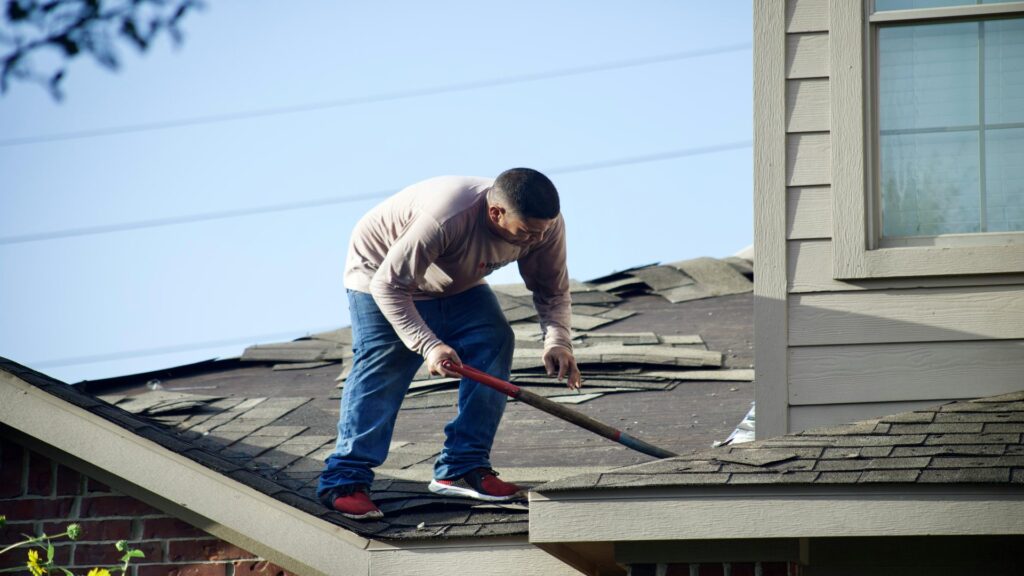
Broken tiles and missing shingles leave openings where wind-driven rain can reach the underlying roof structure. On tile roofs, individual pieces may crack or slip out of position over time. On shingle roofs, high winds, age, and general wear can loosen tabs or strip away protective granules.
Walk around the property and look for visible damage from the ground. Check for tiles sitting out of line, missing shingles, and pieces of roofing material in the yard or gutters. Granules collecting in gutters can also indicate that asphalt shingles are wearing down.
Don’t try to walk across the roof to investigate. Tiles can break underfoot, and shingles become particularly slippery when wet. Leave closer inspections and repairs to a roofing professional who has the equipment and experience to work safely.
5. Check Drainage on Flat and Low-Slope Roofs
Flat roofs don’t shed water as quickly as pitched roofs, so their drainage systems need to be in good condition before heavy rainfall begins. Debris around drains can slow the flow of water, while blocked outlets may leave large areas covered in standing water. Standing water is a particular concern on commercial roofs, where ponding can put additional strain on seams, membranes, and existing weak spots.
Clear debris from drains and check that water has a clear path toward the outlets. Look for areas where water tends to collect, particularly near parapet walls and roof edges. Persistent ponding may point to a drainage issue, a sagging section of the roof, or changes in the condition of the roofing system.
Built-up roofing and other flat roofing systems also need regular attention around seams, penetrations, and transitions. If you notice blistering, open seams, or deteriorating membrane material, have the area assessed before the next major storm.
6. Trim Trees and Remove Loose Debris
Overhanging branches can scrape against roofing materials, damage gutters, and break during strong winds. El Niño storms may also bring periods of intense rainfall and gusty conditions, making weak or overgrown branches a concern for nearby homes and commercial properties.
Trim branches that hang directly over the roof, and remove dead limbs that could fall during a storm. Clear leaves and other debris from roof valleys, gutters, and accessible drainage areas as well. Debris can hold moisture against roofing materials and block the paths rainwater needs to follow.
Pay attention to nearby trees throughout the season, not only during your fall cleanup. A major storm can leave behind new branches and debris that need to be removed before the next round of rain.
7. Check the Attic and Keep Records of Roof Conditions

Not every leak shows up as a dripping ceiling right away. Water may enter through a small opening and collect in insulation or along roof framing before becoming visible inside the building. By the time you notice peeling paint, damp drywall, or a ceiling stain, the roof may have been leaking for some time.
Check the attic for dark marks on wood, damp insulation, musty smells, and signs of moisture around vents or roof penetrations. If you notice any of these, arrange an inspection rather than assuming the problem will dry out on its own. After a major storm, look for new stains or damp areas as well.
It’s also useful to keep dated photos of your roof, along with inspection reports, repair invoices, and maintenance records. This documentation can help establish the roof’s condition before storm damage occurs and provide useful information if you need to contact your insurance company. Keep the records somewhere you can access them even if a storm causes power outages or other disruptions.
Get Your Roof Ready Before El Niño Season
The best time to take care of roof problems is while the skies are clear, not when rain is already coming through the ceiling. Roofsource One has spent 18 years helping Southern California property owners protect their homes and businesses with honest inspections, practical repairs, and dependable roofing work. We offer free, in-person roof inspections throughout Los Angeles County, Orange County, and surrounding communities.
Give your roof some attention before winter sets in. Reach out to our team to book your free inspection and head into the rainy season with greater peace of mind.