
After months of hot, dry weather, a heavy Southern California rainstorm can reveal problems that have been sitting on a commercial roof for a long time. A drain packed with debris, a cracked section of flashing, or a worn roofing membrane might not attract much attention during summer. Give it a few hours of heavy rain, though, and that small issue could turn into a leak inside the building.
El Niño can bring heavier rainfall to the San Fernando Valley, which makes roof maintenance especially important for commercial property owners. Flat and low-slope roofs are often the first to show trouble when heavy rain exposes clogged drains, worn membranes, or existing damage.
Taking care of these issues before storm season can help prevent leaks and disruptions to your business. Here are seven ways to get your commercial roof ready.
1. Schedule a Professional Roof Inspection
A roof can look perfectly fine from the parking lot while developing problems that aren’t visible from the ground. Cracked sealants, loose flashing, damaged seams, and small punctures in the membrane can go unnoticed for months, but heavy rain tends to expose them quickly.
A professional inspection gives property owners time to address these issues before the first major storm. Your roofing contractor should physically examine the surface and pay close attention to:
- Roof membranes, seams, and exposed fasteners.
- Flashing around vents, pipes, skylights, and rooftop equipment.
- Areas with previous repairs or recurring leaks.
- Signs of ponding water or drainage problems.
- Loose, cracked, or deteriorating roofing materials.
- Gutters, drains, and other water outlets.
The age of the roofing system deserves attention. Older single-ply membranes, particularly those approaching or exceeding 15 years, may have become more vulnerable to cracking and material failure after years of sun exposure.
That doesn’t automatically mean replacement is necessary. An inspection can help determine whether targeted repairs or maintenance will prepare the existing roof for when storms arrive again.
2. Clear Drains, Gutters, and Downspouts
Commercial roofs collect more debris than many property owners realize. Dust, leaves, loose roofing material, and other buildup can accumulate around drains and drainage channels throughout the year.
When those paths become blocked, rainwater has nowhere to go. Flat and low-slope roofs are particularly vulnerable because water needs to reach drains and outlets without getting trapped along the way. Even one clogged drain can contribute to significant ponding during a heavy downpour.
Have your contractor check:
- Primary roof drains and drain strainers.
- Emergency overflow drains and scuppers.
- Gutters and downspouts.
- Drainage channels and low areas.
- Spaces behind HVAC units and other rooftop equipment.
Emergency overflow drainage deserves particular attention. If the primary drains become blocked, secondary outlets provide another route for excess water to escape.
Don’t assume the drainage system is working properly just because it handled normal rainfall. Heavy downpours can overwhelm a system that performs perfectly well during lighter storms.
3. Repair Damaged Flashing and Existing Leaks
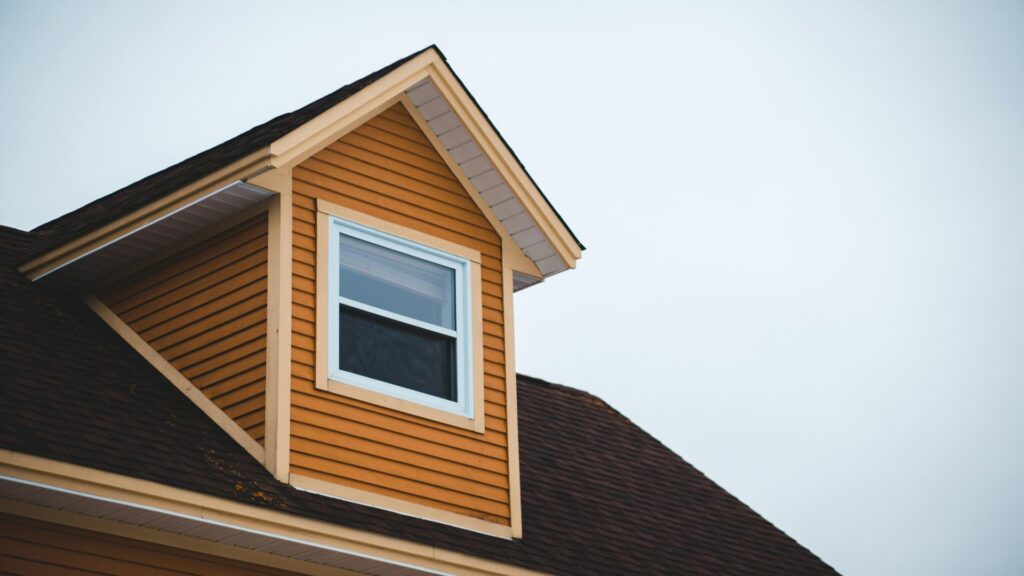
Flashing doesn’t always get much attention, but it’s one of the more vulnerable parts of a commercial roof. It seals the transitions around vents, pipes, skylights, walls, and rooftop equipment. When flashing pulls away, cracks, or deteriorates, water can work its way into the building.
Months of intense sunlight and temperature changes can also affect exposed sealants and roofing materials. Thermal expansion and contraction may cause cracks to develop around seams and penetrations, creating openings for water.
Look for problems such as:
- Cracked or missing sealant around pipes and vents.
- Loose or deteriorated flashing.
- Damaged membrane seams.
- Previous repairs showing signs of failure.
- Broken roof tiles or missing asphalt shingles.
If your property already has a recurring leak, don’t wait for the next storm to see if it comes back. A ceiling stain may disappear when the roof dries out, but the original source of water intrusion could still be there.
Have the affected area evaluated and repaired before more rain arrives. A small repair now may prevent a much larger problem involving interior ceilings, insulation, electrical systems, or business equipment.
4. Document Your Roof’s Condition Before the First Storm
Roof maintenance records are useful throughout the year, but they become especially valuable when storm damage leads to an insurance claim. Without photographs or inspection reports from before the storm, it can be difficult to establish whether damage is new or part of an existing problem.
A pre-storm inspection provides a record of the roof’s condition at a specific point in time. Ask your roofing contractor for a written report and keep copies of:
- Inspection reports and photographs.
- Previous roofing repair invoices.
- Maintenance records and completed work orders.
- Written estimates and project details.
- Applicable manufacturer warranty information.
If a storm causes damage, these records can help when discussing the situation with your insurance company. An insurance adjuster may want to understand the roof’s previous condition and whether reasonable maintenance was performed.
Documentation doesn’t guarantee claim approval or faster processing, but it gives you useful information when questions arise. It also helps track recurring problems and identify areas that may need more attention during future inspections.
5. Secure Rooftop Equipment Before Strong Winds Arrive
Commercial roofs often have more to consider than the roofing materials themselves. HVAC units, antennas, solar equipment, vents, and other installations can all be affected by strong winds.
Loose equipment or mounting components may shift during a storm, potentially damaging the surrounding membrane or flashing. Even a small amount of movement can create an opening for water.
Have a qualified contractor check:
- Rooftop equipment and mounting hardware.
- Flashing around HVAC units and other penetrations.
- Exposed fasteners and loose components.
- Solar-panel attachments and surrounding roofing materials.
- Any debris or unsecured materials left on the roof.
These checks are particularly useful for buildings with older rooftop installations or equipment that hasn’t been inspected recently. Any adjustments should be handled by qualified professionals rather than property staff attempting repairs themselves.
6. Consider Whether Your Roof Needs Additional Protection

Some commercial roofing systems may benefit from restoration or additional waterproofing before the rainy season. Roof coatings, for example, can provide another protective layer on compatible roofing systems.
However, a coating isn’t a fix for every roofing problem. Applying one over a damaged membrane, trapped moisture, or unresolved leaks can create additional complications rather than solve the underlying issue.
A professional evaluation can help determine whether your roof would benefit from:
- Targeted repairs to damaged areas.
- Roof restoration or a suitable protective coating.
- Replacement of deteriorated roofing components.
- Improvements to drainage and water management.
- A more extensive roof replacement.
It’s also a good time to review your manufacturer warranties. Certain coatings, repairs, and installation changes may affect existing coverage, so check the applicable requirements before approving additional work.
7. Inspect the Roof Again After Major Storms
Preparing your commercial roof before El Niño arrives is important, but maintenance shouldn’t stop once the rainy season begins. Strong winds and heavy rainfall can cause new damage, even if the roof was in good condition before the storm.
After major weather events, arrange another inspection and pay attention to any changes around the building.
Some warning signs include:
- New ceiling stains or water dripping inside.
- Standing water that isn’t draining properly.
- Loose, lifted, or missing roofing materials.
- Debris blocking drains and gutters.
- Damaged flashing or exposed roof components.
- Water appearing around rooftop equipment or penetrations.
If you notice an active leak, arrange a professional evaluation as soon as possible. Water can travel along the roof deck and supporting structure before appearing inside, so the visible ceiling stain may not be directly beneath the source.
Emergency roof repair may be necessary to limit further water intrusion. Avoid accessing a wet or damaged roof yourself, particularly during or immediately after severe weather.
Get Your Commercial Roof Ready for El Niño Season
El Niño rainstorms can expose roofing problems that have gone unnoticed through months of dry weather. For commercial property managers in the San Fernando Valley and across Los Angeles County, preparing for a potentially wet winter means checking drainage paths, flashing, and the condition of the roofing membrane before heavy rain arrives.
Often, a few targeted repairs are enough to address visible damage and help prevent leaks. Roofsource One provides commercial roof inspections, repairs, maintenance, and replacement throughout Los Angeles County, Orange County, and surrounding Southern California communities. With 18 years of roofing experience, our team offers practical recommendations based on an in-person assessment.
Contact our team to schedule a free roof inspection and prepare your property for the rainy season.