
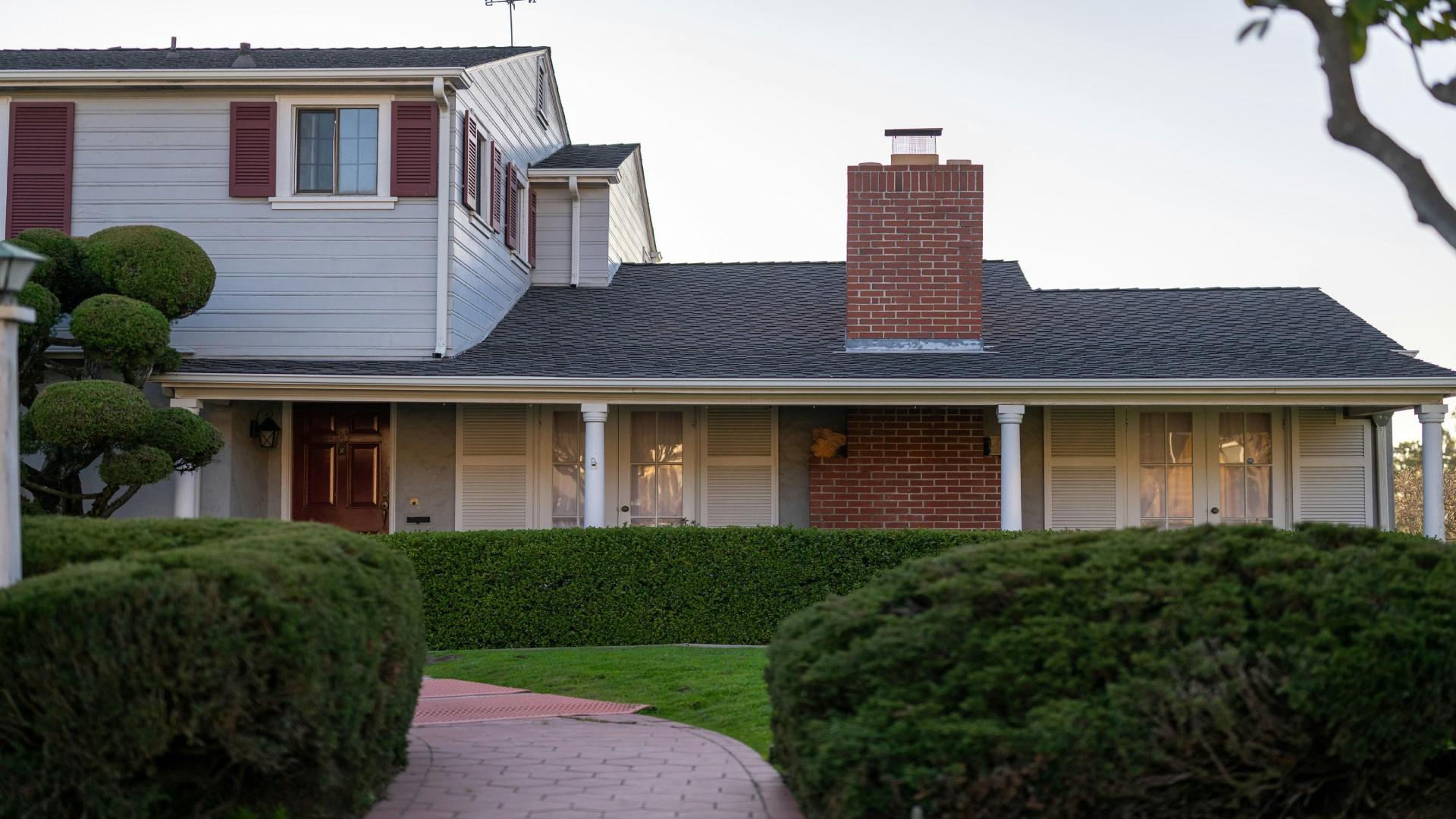
Getting a new roof can be an exciting prospect, but the process usually starts with the simple question of how much this is going to cost.
Once you start looking at roof size, materials, labor, tear-off, permits, and the condition of the roof underneath, things get complicated. For instance, a new asphalt shingle roof will have a very different price than a tile or metal roof, and an older roof with damaged decking can add another layer of work once the existing materials come off.
On top of that, San Fernando Valley homeowners have to consider the impact of intense heat and seasonal storms when choosing roofing materials and planning for long-term maintenance. Here’s what you should know before getting a roof replacement estimate.
What Does a New Roof Cost in the San Fernando Valley?
Current 2026 California estimates put many residential roof replacements somewhere in the $18,000–$30,000 range, although smaller projects can come in below that and larger or more complex roofs can go considerably higher. Recent California pricing guides put typical architectural asphalt shingle replacements around $11,000–$22,000 for a roughly 1,900-square-foot roof, while Southern California estimates can reach $30,000 or more for larger or more expensive roofing systems.
San Fernando Valley homeowners shouldn’t treat those numbers as a quote, though. Roofing contractors price the actual roof rather than simply looking at the square footage of the house. A 2,000-square-foot home can have a much different roof area depending on its design, number of stories, pitch, valleys, dormers, and other features.
Roofing companies also use the term “square” when calculating roof size. One roofing square equals 100 square feet of roof area, so a roof with 20 squares has 2,000 square feet of roofing surface.
Roofing Material Has a Big Impact on Price
The roof covering you choose can change the price considerably. Asphalt shingles are often the most budget-friendly choice, while metal, tile, and slate generally require a larger upfront investment.
Asphalt Shingles
Asphalt shingles remain a common choice for homeowners who want a practical roof without jumping into the higher price ranges associated with some premium materials.
Current California estimates vary, but architectural asphalt shingles can run roughly $4–$10 per square foot installed, depending on the product, roof design, labor, and other project details.
Most asphalt shingle roofs can last around 20–30 years with proper care, although intense heat, weather exposure, installation quality, and maintenance can affect how long the system actually performs.
Metal Roofing
Metal roofs generally cost more upfront than asphalt shingles. Current California estimates commonly put standing-seam metal well above asphalt in installed cost, with some 2026 estimates reaching $20,000–$50,000 or more for a typical residential project.
The tradeoff is durability. Metal roofing can last for decades and can also provide strong fire resistance and energy-efficiency benefits, depending on the system and product selected.
Tile Roofing
Tile can be a particularly important consideration in San Fernando Valley homes. Clay and concrete tile can handle hot, sunny conditions and can last 50 years or longer with proper care, but the installation tends to cost more than asphalt.
Tile also brings another consideration: weight. If you’re changing roofing materials or installing a heavier system, the existing roof structure may need to be evaluated before work begins.
Slate and Other Premium Materials
Natural slate sits at the higher end of the roofing price range. It can last for many decades, but the material itself is heavy, and installation requires specialized experience.
Synthetic roofing materials can offer another option for homeowners who like the appearance of slate or wood shakes without the same weight or maintenance requirements. The price will depend heavily on the specific product and installation system.
Your Roof Size Isn’t the Same as Your Home’s Square Footage
It’s easy to assume a 1,700-square-foot home has a 1,700-square-foot roof. That’s not necessarily how the numbers work.
Roofing contractors measure the actual roof surface. Pitch, overhangs, attached garages, multiple roof sections, and the number of stories can all change how much material needs to be installed.
Two San Fernando homes with the same interior square footage can therefore have very different roofing costs.
Roof complexity can also increase labor. Steeper sections require additional safety measures, while valleys, penetrations, skylights, chimneys, and other details take more time to flash and seal properly.
What Can Add to a Roof Replacement Cost?
The number on a replacement estimate covers more than the new roofing material. Several parts of the project can push the final cost higher.
Tear-off and disposal: Removing the existing roof takes labor and creates disposal costs. Multiple layers can add even more work.
Damaged roof decking: Problems underneath the old roof aren’t always visible during an initial inspection. Once the roof covering comes off, soft or rotted decking may need to be replaced before the new system can go on.
Flashing and penetrations: Areas around chimneys, vents, skylights, walls, and other roof penetrations need careful attention. Damaged flashing can be a source of leaks and may need replacement during the project.
Roof pitch and access: Steep roofs, limited access, multiple levels, and complicated layouts can increase labor and safety requirements.
Solar panels: Homes with solar panels may need the panels removed and reinstalled as part of the roofing project, adding another cost to the job.
Permits and inspections: Permit requirements vary by jurisdiction. In the City of Los Angeles, reroofing falls under the building department’s permitting and inspection process, and LADBS lists roof nailing among the work commonly inspected before the roofing assembly is covered. A final inspection is also required for completed permitted work.
The Roof Underneath Can Change the Price
One of the biggest surprises during a roof replacement happens when the old roofing comes off.
The visible shingles or tiles might look like the biggest problem, but the decking underneath can tell a different story. Long-term leaks can allow moisture to reach the wood below, potentially causing rot or weakening sections of the roof structure.
That doesn’t mean every old roof needs extensive structural work. It just means the condition of the existing roof can’t always be fully confirmed until the roofing materials are removed. A professional inspection can identify visible concerns before the project starts, while the tear-off gives the roofing crew a chance to see what’s actually underneath.
San Fernando Valley Heat Can Affect Your Roofing Costs
The Valley’s intense summer heat puts plenty of stress on roofing materials. Constant exposure to UV radiation and repeated temperature changes can accelerate deterioration, particularly on older asphalt shingle roofs. In that case, material selection is worth discussing before installation.
Reflective or cool-roof products are designed to reflect more solar energy and reduce heat absorption. In Los Angeles, certain roofing projects must meet specific cool-roof requirements, with the applicable criteria depending on the roof slope, building type, and project circumstances.
Your roofing contractor can help identify which roofing materials meet the applicable requirements for your project rather than choosing a product based on appearance alone.
How to Get a More Accurate Roof Replacement Cost
Online estimates can give you a rough starting point, but they can’t account for everything happening on your particular roof.
A professional roofing inspection should look at the existing roof covering, flashing, penetrations, drainage, visible deterioration, and areas where water may have entered the system. The contractor can then measure the roof and build an estimate around the actual project rather than a generic home size.
Ask for the estimate to spell out what you’re paying for, including the roofing material, tear-off, installation, disposal, flashing work, permits, and any anticipated decking repairs. That makes it much easier to compare estimates without simply choosing the lowest number on the page.
Ready to Put a Number to It?
Online roof prices can only tell you so much. Contact Roofsource One for a free inspection in the San Fernando Valley, and we’ll take a close look at your roof and give you an estimate based on the actual condition of your home.