
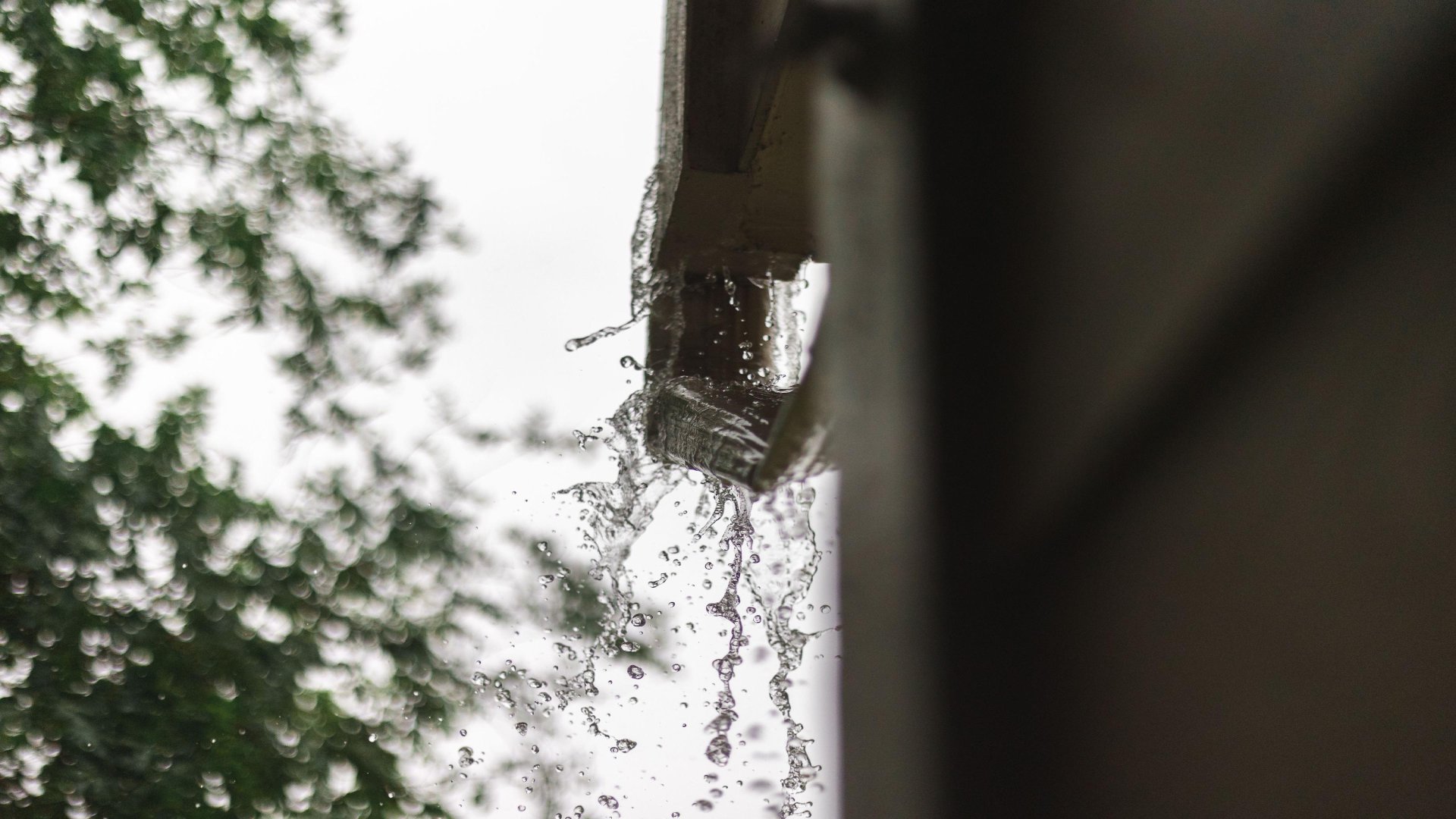
Rain has a sneaky way of finding the weakest parts of a roof.
When the weather is dry, a few missing shingles might not seem like a major concern, and a small ceiling stain might be easy to ignore. But once heavy rain arrives, small roofing problems can turn into active leaks, damaged insulation, and water damage inside the home.
Luckily, it’s not a sure thing that every damaged roof needs to be replaced, as some problems can be handled with a straightforward roof repair. But when several warning signs start showing up at the same time, it may be worth looking at the bigger picture.
Here are seven signs your roof may be getting close to the end of its useful life.
1. Your Roof Is Getting Up There in Age
Most asphalt shingle roofs last around 20 to 25 years, although the actual lifespan depends on the roofing materials, installation, ventilation, weather exposure, and maintenance.
That doesn’t mean an asphalt roof automatically needs to be replaced when it reaches 20 years. A well-maintained roof may continue performing beyond that point, while a roof exposed to intense heat, high winds, or repeated weather damage can deteriorate sooner.
Age becomes more concerning when it’s paired with other problems. If an older roof is also losing granules, developing leaks, or showing widespread shingle damage, a full roof replacement may make more sense than continuing to patch individual areas.
2. You’re Finding Shingle Granules Everywhere
Those little bits of material collecting in your gutters aren’t something to ignore.
Asphalt shingles have protective granules on their surface that help shield the roofing material from UV exposure and weather. Some granule loss is normal as shingles age, but finding large amounts in the gutters or seeing bare spots on the shingles can indicate significant deterioration.
Take a look at the shingles themselves. If large areas appear worn, faded, or noticeably bare, the roof may be losing its ability to protect the home from moisture.
3. Missing or Damaged Shingles Keep Showing Up
A few damaged shingles can often be replaced without replacing the entire roof, yet there’s a problem when damaged shingles become a recurring issue. Cracked, curled, loose, or missing shingles leave parts of the roofing system more exposed to rain and wind. High winds can make the problem worse by loosening shingles that were already beginning to fail.
If you’re repeatedly finding damaged shingles after storms, take a step back and look at the roof as a whole. Widespread deterioration can mean the shingles are reaching the end of their serviceable life rather than suffering from one isolated problem.
4. Your Roof Keeps Leaking
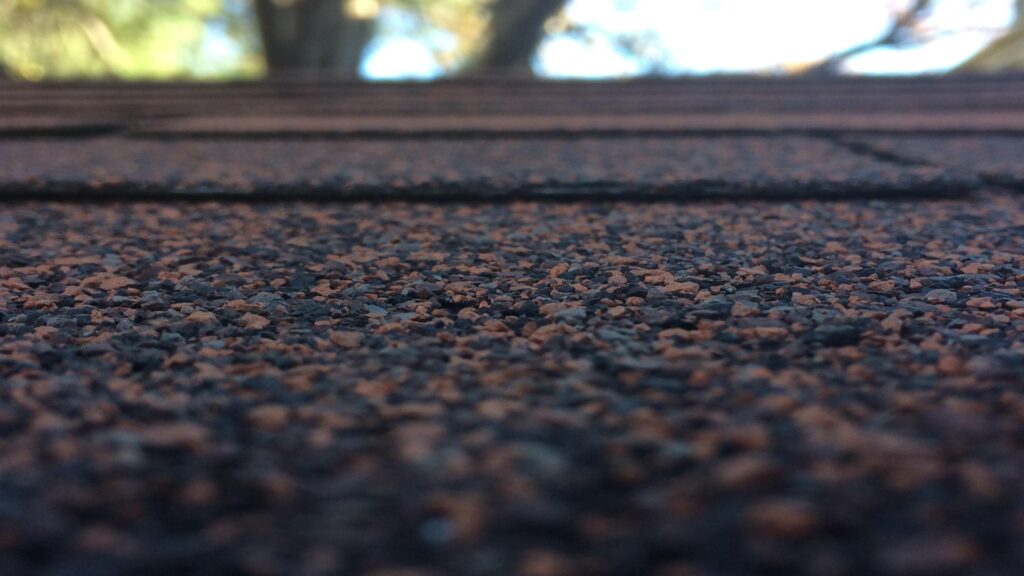
Damage around flashing, loose shingles, or roof penetrations can often be repaired without replacing the entire system. The bigger concern is when leaks keep coming back or start appearing in different areas, even after repairs have been made. Water stains on ceilings, damp insulation, dark spots in the attic, or a musty smell can all be signs that moisture is getting where it shouldn’t.
If you’ve had to deal with the same leak more than once, or you’re scheduling roof leak repairs every time heavy rain arrives, it may be time for a professional roof inspection to determine what’s actually happening.
5. The Roof Is Sagging or Looks Uneven
Take a look at your roofline from the ground. It should have a fairly consistent shape, so visible dips, waves, or sagging areas can point to moisture damage, weakened decking, or other problems beneath the roofing materials.
A few worn shingles are usually a different concern. Changes in the shape of the roof can signal a deeper issue, especially when you also notice soft spots or other signs of water damage.
Soft roof decking can indicate moisture has reached the structure beneath the roofing materials and may require more than a surface repair. Homeowners shouldn’t climb onto the roof to check for soft areas themselves, so it’s best to have a professional handle that part of the inspection.
6. You Can See Daylight Where It Shouldn’t Be
Your attic can tell you quite a bit about the condition of your roof. On a bright day, look for obvious gaps where daylight is coming through the roof assembly. You can also check for dark stains, damp insulation, water marks, or other signs of moisture.
Small amounts of light around certain roof details may not indicate a major problem, but visible openings through the roof itself are a reason to have the area inspected. It’s much easier to deal with a roofing problem before the next heavy rain than after water has already made its way into the attic and interior walls.
7. Your Roof Needs Repair After Almost Every Storm
If you’re constantly dealing with emergency repairs, replacing missing shingles, resealing flashing, or tracking down new leaks after high winds and heavy rain, the individual repairs may no longer be addressing the larger issue.
Repeated repairs can become expensive, too. At some point, putting money into one aging section after another may make less sense than replacing the roofing system.
A professional inspection can help you understand where your roof stands before you commit to either option.
What If You Only Have a Few of These Signs?
You don’t necessarily need a new roof just because you’ve noticed one warning sign.
The issue is when several signs start appearing together. An aging roof with widespread shingle deterioration and repeated leaks deserves a closer look than a newer roof with one damaged shingle.
Professional roofers will recommend an inspection because instead of guessing based on one problem, a roofing professional can look at the entire system and explain what needs attention.
Don’t Wait for the First Big Storm
Rain tends to expose roofing problems that have been developing for months or even years.
If you’re already seeing missing shingles, excessive granule loss, water stains, damaged flashing, or visible sagging, it’s best to figure out what you’re dealing with before the next storm arrives. Catching problems early may give you more options for repair and can help prevent water damage from spreading into the home.
Roofsource One provides professional roof inspections and roof replacement services throughout the San Fernando Valley. If you’re concerned about an aging or failing roof, contact us for a free inspection and an honest assessment of what your roof needs.